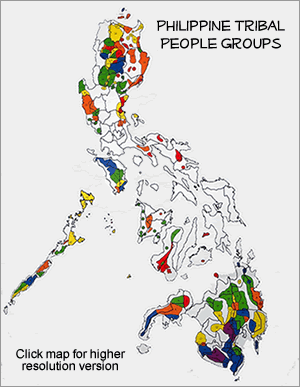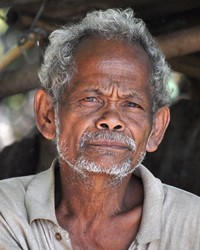

The Isarog people, also known as the Isarog Agta or Inagta Partido, are one of several distinct subgroups within the broader Agta ethnolinguistic family inhabiting various regions of Luzon in the Philippines. As descendants of the Negrito populations believed to be among the earliest human inhabitants of the Philippine archipelago, the Isarog people represent an ancient strand of human settlement in Southeast Asia, predating by thousands of years the Austronesian peoples who later migrated into the region. The Isarog take their name from Mount Isarog, the volcanic peak rising above Camarines Sur in the Bicol region that has served as their ancestral homeland for countless generations. Their indigenous language, Central Bikol, belongs to the Austronesian language family but retains significant non-Austronesian vocabulary reflecting their deep historical roots in the region. The language is critically endangered, with only a handful of elderly speakers remaining, as younger generations increasingly adopt Bicolano and other regional languages. Despite their long presence in the region, the Isarog have maintained remarkable cultural and linguistic distinctiveness from their lowland Bicolano neighbors, preserving unique spiritual beliefs, subsistence practices, and social structures shaped by their intimate relationship with the Mount Isarog ecosystem.
The Isarog organize their subsistence around hunting, fishing, gathering, and small-scale agriculture conducted in close harmony with the forest and river ecosystems that sustain them. Men hunt wild pig and deer using traditional bows and arrows, with dogs assisting in tracking and pursuing game, while women demonstrate considerable skill in hunting as well and regularly participate in expeditions alongside men. Fishing constitutes a major food source, particularly during dry seasons when rivers are low and clear, with the Isarog employing spearfishing techniques and an array of traditional tools including nets, hooks, and traps fashioned from bamboo and rattan. Women gather shellfish from rivers and streams, collect wild honey during the early dry season, and harvest forest plants and vegetables that supplement the diet provided by hunting and fishing.
The Isarog family structure centers on extended kinship groups living in flexible, mobile settlements positioned near flowing water sources and accessible food resources, with decisions made through group consensus rather than hierarchical authority.
Celebrations and rituals mark important life transitions and seasonal cycles, including ceremonies honoring successful hunts and harvests. Music and dance serve as vital means of cultural expression and social cohesion, with traditional songs and movements transmitted across generations. Contemporary Isarog have increasingly adopted Filipino lowland clothing styles while some elders retain traditional wraps, and diet reflects both traditional forest foods and an increasing reliance on purchased rice and domesticated crops.
The Isarog practice animism, a belief system reflecting their profound understanding of a spirit-inhabited world where divine presence resides in natural features, animals, plants, and ancestral spirits. Central to their worldview are spirits known as anito, understood as both nature spirits residing in forests, mountains, rivers, and rocks and the spiritual essences of deceased ancestors. The Isarog believe in a high god or supreme being alongside numerous spirits of varying character and power. Some spirits are benevolent and protective, while others, particularly malignant ghosts of recently deceased relatives, are feared for their potential to cause sickness and misfortune. Shamans, called bunogen, serve as healers and intermediaries with the spirit world, diagnosed illness, conducting rituals and séances when needed, and treating patients with herbal medicines and prayers directed to their spirit companions. Religious practices are individualistic and flexible rather than highly formalized, typically revolving around preventing and treating illness rather than seeking mystical experiences. The Isarog make small offerings of rice, honey, or thread to forest spirits when taking resources from the land, viewing these gifts as respectful reciprocity necessary for maintaining harmony with the spirit realm.
While some Isarog have encountered Christian influence through neighboring communities, traditional animistic beliefs continue to shape their understanding of health, misfortune, and human responsibility toward the natural and spiritual realms.
Educational access remains severely limited for Isarog children, as schools in remote Mount Isarog settlements are scarce and often located at considerable distances from communities, creating barriers to literacy and formal learning. Healthcare delivery is inadequate in isolated settlements, with limited access to clinics and modern medical services resulting in higher rates of maternal and infant mortality than the broader Philippine population.
Economic opportunities remain restricted, pushing Isarog families into wage labor and dependence on government assistance while traditional subsistence activities face pressure from forest restrictions and shrinking resource access.
Infrastructure development including sustainable pathways and communication networks would reduce the isolation that limits access to government services, markets, and medical care. Healthcare services delivered with cultural understanding of traditional healing practices would improve health outcomes more effectively than approaches dismissing indigenous knowledge. Educational programs incorporating the Isarog language and incorporating ecological knowledge alongside formal academics would serve the community's development while affirming cultural continuity rather than pressuring assimilation.
Pray for their physical and educational needs to be met by our generous God.
Intercede for Isarog hearts to be opened to receive Jesus Christ as Lord and Savior, turning from dependence on spirits to a living relationship with the God who created all things and offers true freedom and wholeness.
Ask God to raise up Isarog believers who will become witnesses, pastors, and leaders to their own people, bridging cultural gaps and serving as bridges between their communities and the gospel.
Petition the Lord to move nearby Bicolano churches and other Christian communities to develop a vision and burden for reaching the Isarog, moving beyond cultural barriers to offer genuine partnership, discipleship, and spiritual support to a marginalized neighbor group.
Scripture Prayers for the Agta, Isarog in Philippines.
https://dateline-ibalon.com/2025/08/bicol-home-to-a-tapestry-of-indigenous-cultural-communities/
https://www.internationalphoneticalphabet.org/agta-isarog/
https://en.wikipedia.org/wiki/Inagta_Partido_language
https://www.culturalsurvival.o
| Profile Source: Joshua Project |